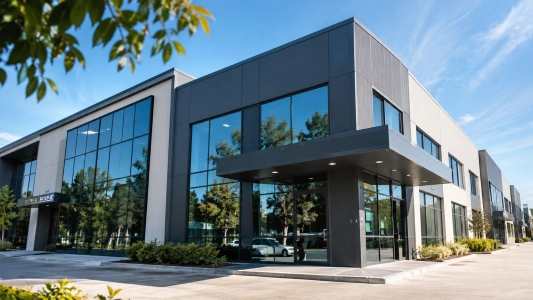

Buying a commercial property in Melbourne? Whether it’s a retail shop, office building or warehouse, there’s more to consider than the location, layout and asking price.
A property might look well maintained during a walkthrough, but visible cracks, roofing issues or signs of moisture can indicate concerns worth investigating.
That’s where a commercial building inspection checklist comes in handy.
Knowing what to look for can help you ask better questions, identify potential issues and understand when professional advice is needed.
Here’s what to consider before purchasing a commercial property in Melbourne.
Why Is a Commercial Building Inspection Important?
Commercial properties have different construction features, maintenance requirements and operational demands.
A small retail premises may have relatively straightforward building elements, while a multi-storey office or industrial warehouse can involve more complex structures and access requirements.
A professional commercial building inspection in Melbourne helps assess accessible building areas for observable defects and deterioration within an agreed scope.
The findings can help buyers understand the property’s visible condition, identify potential maintenance concerns and determine whether specialist investigations are needed.
However, an inspection cannot guarantee that every concealed defect will be identified.
Commercial Building Inspection Checklist: 8 Important Areas to Check
The following areas are worth considering when viewing a commercial property or arranging a professional inspection.
1. Structural Elements and Visible Cracking
Start by looking at the building’s overall condition.
Cracks in walls, uneven floors or visible movement around openings may deserve closer attention.
A professional inspector may assess accessible building elements for:
- Cracking in walls and concrete surfaces
- Signs of movement or settlement
- Deterioration of visible structural components
- Damage around doors and windows
- Uneven or damaged flooring
Not every crack indicates a serious structural problem. Its significance depends on factors such as location, pattern and surrounding conditions.
Where necessary, an appropriately qualified structural engineer may be recommended for further assessment.
2. Roof Condition and Drainage
Roofing problems can lead to water penetration, maintenance expenses and disruption to commercial operations.
Depending on safe accessibility, an inspection may consider:
- Visible roofing deterioration
- Damaged or displaced roof materials
- Gutters and downpipes
- Signs of ponding or poor drainage
- Evidence of previous water penetration
Large commercial roofs or elevated areas may require specialist access arrangements.
If important roof areas cannot be safely inspected, those limitations should be documented.
3. Moisture and Water Damage
Water-related problems aren’t always obvious during a quick walkthrough.
Look for ceiling stains, peeling paint, damaged plasterboard or unusual dampness around internal surfaces.
Areas worth checking include:
- Ceilings beneath roofing areas
- Walls around windows and external openings
- Bathrooms and wet areas
- Basement and lower-ground spaces
- Areas near plumbing fixtures
A visible water stain doesn’t necessarily reveal where the moisture originated.
Further investigation may be needed to determine the cause, extent and appropriate repairs.
4. External Walls, Doors and Windows
The exterior can reveal useful information about the property’s condition.
Pay attention to cracked cladding, deteriorated finishes, corrosion, damaged window seals and doors that don’t operate properly.
An inspector may assess accessible external building elements for observable deterioration.
Some defects may be relatively minor maintenance concerns, while others could require specialist investigation.
5. Floors, Ceilings and Internal Areas
Internal areas should be considered alongside the building’s exterior.
Look for damaged flooring, ceiling stains, visible cracking, deteriorated finishes and signs of previous repairs.
In larger commercial properties, check whether storage areas, tenancies and relevant common spaces will be accessible.
Restricted access can limit the inspection, so confirm these arrangements before booking.
6. Site Drainage and Surrounding Areas
Poor drainage can contribute to moisture-related problems around commercial buildings.
Visible concerns may include:
- Water collecting near the building
- Damaged surface drains
- Cracked or uneven paving
- Deteriorated retaining walls
- Signs of erosion or ground movement
The surrounding site can provide useful clues about maintenance needs.
However, underground drainage conditions and concealed defects generally require separate specialist investigation.
7. Electrical, Plumbing and Fire Safety Systems
Commercial properties may contain electrical installations, plumbing systems, mechanical equipment and fire safety provisions.
These are important considerations, but a general building inspection doesn’t automatically include specialist testing or regulatory compliance certification.
Depending on the property, separate assessments may be needed for electrical safety, plumbing, fire protection systems, emergency lighting or mechanical services.
Confirm which services are included before arranging an inspection.
8. Pest Activity and Timber Damage
Some commercial properties contain timber elements or areas where pest-related damage may be relevant.
Signs worth investigating include damaged timber, suspected termite activity and conditions that may encourage pests.
However, a commercial building inspection doesn’t automatically include a timber pest inspection.
If pest concerns are relevant, ask whether a separate assessment is required.
What Happens During a Professional Commercial Building Inspection?
A pre-purchase commercial building inspection generally involves assessing accessible areas within an agreed scope.
The inspector looks for observable defects, deterioration and other relevant building conditions.
The exact assessment depends on the property’s construction, accessibility and safety restrictions.
A written report may include:
- Visible defects and their locations
- Photographs supporting the findings
- Areas that couldn’t be inspected
- Relevant maintenance concerns
- Recommendations for further investigation
To understand what may be covered, read BEZT’s guide on what is included in a commercial inspection.
You can also explore how to understand a commercial inspection report before reviewing your findings.
What Should You Do If the Inspection Identifies Problems?
Finding a defect doesn’t automatically mean you should walk away from the property.
The next step depends on the type of issue, its potential significance and whether further investigation is needed.
For example, minor maintenance concerns may be straightforward to address, while significant cracking or recurring water penetration may require specialist advice.
Before proceeding, consider discussing the findings with your conveyancer or solicitor and obtaining relevant professional advice or repair quotations where appropriate.
The aim is to understand the property’s condition before making a financial commitment.
Book a Commercial Building Inspection in Melbourne with BEZT
Whether you’re considering a retail premises, office building or warehouse, understanding the property’s visible condition is an important part of due diligence.
BEZT Building & Pest Inspections provides commercial building inspections in Melbourne, helping buyers and property owners identify observable building concerns within the agreed scope.
A professional assessment can help you understand visible defects and determine whether further investigation may be necessary.
Planning to purchase a commercial property? Request a quote from BEZT Building & Pest Inspections to discuss your inspection requirements.
Final Thoughts
A commercial building inspection checklist can help Melbourne property buyers recognise potential concerns before purchasing.
From visible cracking and roofing deterioration to moisture and drainage issues, knowing what deserves attention can support more informed decisions.
For a clearer understanding of a commercial property’s observable condition, consider arranging a professional inspection before committing to the purchase.
Frequently Asked Questions
What does a commercial building inspection checklist include?
It generally covers visible structural elements, roofing, walls, floors, ceilings, moisture concerns and accessible external areas. The professional inspection scope depends on the property and agreed service.
Do I need a building inspection before buying a commercial property in Melbourne?
A pre-purchase inspection is a useful due diligence step. It can help identify observable defects and maintenance concerns before making a significant property decision.
How long does a commercial building inspection take?
The duration depends on the building’s size, complexity, accessibility and inspection requirements. Larger or more complex properties may require additional time.
Does a commercial building inspection cover fire safety compliance?
Not automatically. General building inspections and specialist fire safety compliance assessments are different services. Confirm whether separate assessments are required.
Can a commercial building inspection identify hidden defects?
A standard visual inspection focuses on accessible and observable conditions. Concealed defects may not be identified without additional investigation.
Can I use the inspection report to negotiate the purchase price?
Inspection findings may help inform discussions about the property’s condition and potential repairs. Any negotiation depends on the transaction, contract terms and agreement between the parties.