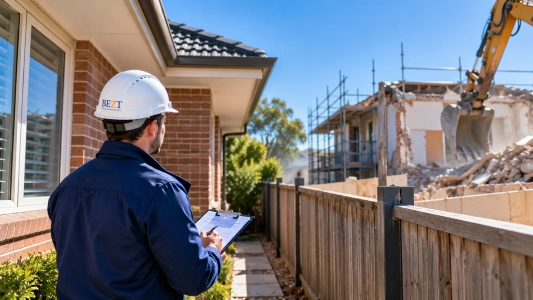


Building a new home comes with plenty of decisions, but one that’s easy to overlook is when to arrange an independent inspection.
Should you book before the concrete is poured, once the frame is complete, or just before receiving the keys?
The timing matters because some construction elements become difficult to assess once they’re covered by concrete, plasterboard or other finishes.
A new home building inspection can help identify observable workmanship concerns while relevant areas are still accessible, giving you an opportunity to discuss findings with your builder.
For Melbourne homeowners, planning inspections around construction progress can help avoid missed opportunities.
When Should You Book a New Home Building Inspection?
The best time depends on your home’s construction stage and what you want assessed.
If construction is underway, independent inspections can be arranged at relevant milestones before important components become concealed.
If the property is nearing completion, a pre-handover inspection can help identify visible defects and incomplete work before the handover process is finalised.
Here’s a quick guide to inspection timing.
Construction stage | When to arrange the inspection |
Pre-pour slab | Before concrete placement, when relevant work is ready |
Post-pour slab | After concrete placement, when the slab is accessible |
Frame | After relevant framing is complete, before internal linings |
Pre-plaster | Before wall and ceiling linings conceal construction elements |
Practical completion | When the home is sufficiently complete, before handover |
Post-construction | After completion, recognising concealed-work limitations |
These are potential independent inspection opportunities, not a universal schedule of mandatory inspections.
Key Construction Stages Worth Inspecting
Each stage provides a different view of the building. The right inspection depends on what has been completed and what will happen next.
1. Slab Stage: Before or After Concrete Placement
The slab and foundation system form an important part of the home’s construction.
A pre-pour inspection may assess accessible reinforcement, formwork and other visible elements within the agreed scope.
After concrete placement, an inspector may assess observable slab conditions and surface concerns.
However, embedded reinforcement and other concealed components can no longer be directly assessed through a standard visual inspection.
Best booking time: Confirm whether you require a pre-pour or post-pour assessment and arrange access before the relevant work becomes inaccessible.
2. Frame Stage: Before Internal Linings
The frame stage provides an opportunity to examine accessible wall and roof framing.
Depending on the inspection scope, an independent building inspector may review visible alignment, connections, bracing and workmanship concerns.
Once plasterboard is installed, many structural elements become concealed.
Best booking time: When the relevant framing is ready for inspection, before internal linings are installed.
3. Lock-Up and Pre-Plaster Stages
Lock-up generally refers to the point when the building can be secured, although its meaning depends on the construction contract.
Pre-plaster refers to the period before internal wall and ceiling linings are installed.
These milestones are not necessarily the same.
A pre-plaster assessment may provide an opportunity to review accessible construction details before they become concealed.
Specialist electrical and plumbing compliance assessments remain the responsibility of appropriately qualified professionals.
Best booking time: Before relevant internal linings are installed, with the builder’s access arrangements confirmed.
4. Practical Completion: Before Handover
Practical completion is an important milestone because the home is approaching handover under the building contract.
A pre-handover building inspection can help identify observable defects, incomplete finishes and installation concerns.
These may involve doors, windows, plaster finishes, tiling, cabinetry, fixtures and accessible external areas.
A practical completion inspection focuses on the finished building rather than structural components already concealed during construction.
Best booking time: When the home is sufficiently complete for assessment, allowing time to review findings before handover.
Learn more about BEZT’s building stage inspections.
How Early Should You Arrange an Inspection?
Construction schedules can change, so waiting until a stage is completed may leave limited time to book an appointment.
Discuss the expected milestones with your builder and inspector early.
Before confirming a booking:
- Ask when the relevant construction stage will be ready.
- Confirm that independent inspector access can be arranged.
- Allow time for the inspection and report.
- Check whether the next trade is scheduled to cover the work.
- Notify the inspector if construction dates change.
For a new home inspection in Melbourne, coordinating site access and inspection timing helps reduce the risk of missing an important stage.
Is It Too Late to Inspect After Construction Is Complete?
No. An inspection after construction can still identify observable defects and maintenance concerns.
For example, an inspector may assess visible cracks, door alignment, moisture-related concerns and incomplete finishes.
However, a completed home doesn’t provide the same visibility as a property with exposed framing or other construction components.
A final inspection cannot replace every earlier construction-stage assessment.
If you’re approaching handover, our new home inspection checklist explains the areas worth reviewing before receiving the keys.
What If You Miss an Important Inspection Stage?
Missing a stage doesn’t mean the remaining inspections are pointless.
Start by identifying what work has already been covered and whether any relevant components remain accessible.
Ask your inspector what can still be assessed and whether additional investigation is appropriate.
Construction photographs, previous inspection records and relevant certificates may provide useful context, although they don’t necessarily replace direct inspection.
Focus on planning the remaining stages rather than assuming the opportunity for independent assessment has passed completely.
Independent Inspections vs Mandatory Builder Inspections
In Victoria, mandatory building inspections are carried out at prescribed stages through the relevant building surveyor as part of the building approval process.
The required stages depend on the building work and applicable permit requirements.
An independent inspection is different. It provides a separate assessment of observable conditions within the agreed scope.
It doesn’t replace mandatory inspections, building permits or specialist compliance certifications.
However, an independent report can help homeowners document workmanship concerns and communicate findings to their builder.
Plan Your New Home Building Inspection with BEZT
The most useful inspection schedule depends on construction progress, property accessibility and the areas requiring assessment.
BEZT Building & Pest Inspections provides building inspection services for Melbourne homeowners, including inspections at relevant construction stages.
Whether your home is approaching the frame stage, nearing practical completion or already finished, discussing the construction progress can help determine the appropriate service.
You can also explore BEZT’s building inspection services to learn more about available inspection options.
Building a new home in Melbourne? Get an instant quote from BEZT Building & Pest Inspections and arrange an inspection suited to your construction stage.
Frequently Asked Questions
Should I book an inspection before construction starts?
You can organise the inspection service in advance. The actual site assessment should take place when the relevant construction work is ready and accessible.
Is the frame stage the most important inspection?
The frame stage is valuable because structural components may still be visible. However, other stages provide different inspection opportunities, so no single assessment covers everything.
How many independent inspections should I arrange?
There’s no universal number for every project. The appropriate schedule depends on construction type, inspection goals, budget and professional advice.
Can I arrange an independent inspection after mandatory inspections?
Yes, subject to contractual and site access arrangements. Independent assessments serve a different purpose and don’t replace mandatory building surveyor inspections.
How long before handover should I book an inspection?
Arrange it when the property is sufficiently complete, allowing reasonable time to receive the report and discuss findings before handover.
Can I still arrange an inspection after moving in?
Yes. A post-construction inspection may identify observable defects, although concealed construction elements may no longer be accessible.